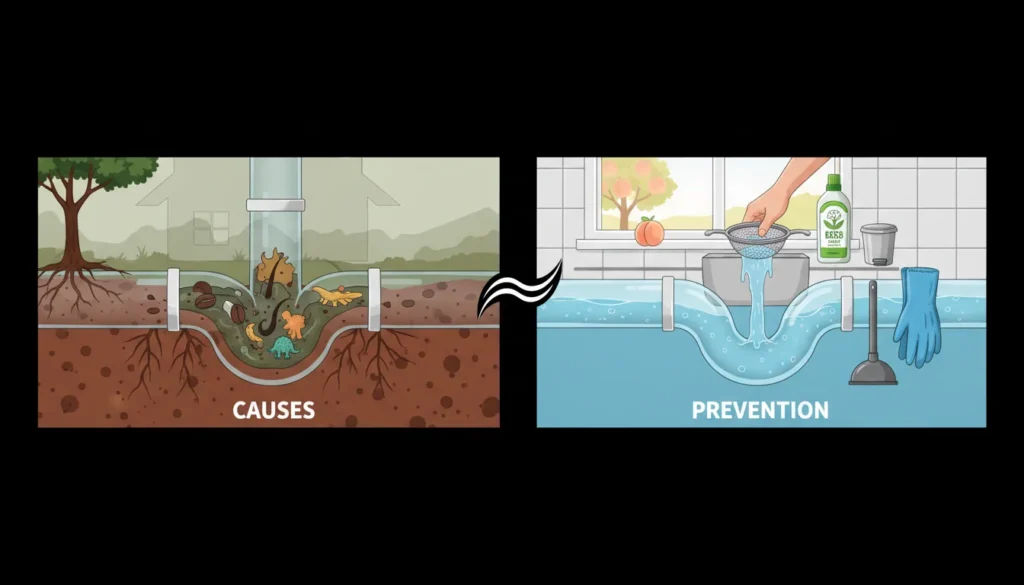
Common Causes of Clogged Drains in Georgia Homes and How to Prevent Them
Clogged drains in Dalton homes are usually caused by a mix of everyday buildup tree root intrusion grease soap scum hair and aging pipes and the best prevention is a combination of better habits routine cleaning and timely drain maintenance.
In North Georgia homes drain problems often show up faster because of older plumbing materials seasonal rain soil movement and the way many households use kitchens bathrooms and laundry lines every day. A slow sink may seem minor at first but it can quickly turn into a backed up shower a foul odor or even a sewer issue that needs urgent attention. Understanding what causes drain clogs in this area helps homeowners stop repeat problems before they start. This guide explains the most common reasons drains clog in Dalton and nearby communities and gives practical ways to keep your plumbing flowing smoothly all year long.
Why drain clogs are so common in Georgia homes
Homes throughout Whitfield County and nearby areas deal with a few plumbing conditions that make clogs more likely. Many properties have mature trees that send roots toward sewer lines. Some neighborhoods still rely on older cast iron or clay piping. Heavy summer storms can shift soil and affect underground lines. Inside the home busy family routines create constant buildup in sinks tubs and toilets. All of these factors can put extra stress on your drainage system.
That is why residents searching for solutions in places like Tunnel Hill drain service or Calhoun drain cleaning help often face the same patterns: recurring slow drains multiple fixtures backing up at once or clogs that keep returning after a temporary fix.
Most common causes of clogged drains
1. Grease and food residue in kitchen drains
Kitchen sinks are one of the most frequent problem areas. Even when homeowners avoid pouring obvious grease down the drain small amounts from pans dishes and cooking surfaces can coat the inside of pipes. Over time that sticky layer catches crumbs coffee grounds rice pasta and other debris. Eventually the passage narrows and water drains slowly.
Garbage disposals do not solve this issue by themselves. In fact they can make clogs worse if they are used for fibrous or starchy foods. Potato peels celery corn husks eggshells and cooking oil are all common offenders. In homes that cook frequently kitchen drainage problems often begin with a faint odor and progress to standing water in the sink.
2. Hair and soap scum in bathroom drains
Bathroom sinks showers and tubs are highly vulnerable to hair buildup. Hair does not move through drains easily and it binds together with soap residue to form dense clumps. Over time these clumps create stubborn blockages that resist simple plunging.
Soap bar products are especially likely to contribute to clogs because they leave behind sticky film. Even modern liquid soaps can leave residue when combined with minerals in water and particles washed from skin. If water starts pooling around your feet during a shower or a bathroom sink takes longer than usual to empty hair and soap scum are likely involved.
3. Flushable wipes and improper toilet flushing
Despite the label many flushable wipes do not break down fast enough to safely pass through residential plumbing. They can snag in toilet traps and further down in sewer lines where they collect additional paper and waste. Feminine products cotton swabs paper towels and cleaning wipes also cause serious blockages.
Toilets are designed to handle toilet paper and human waste only. When nondegradable items enter the line they can create repeated clogs or contribute to backups in multiple bathrooms. Families with children and guests in the home often encounter this issue more frequently.
4. Tree roots invading sewer lines
Tree root intrusion is one of the most serious causes of drain and sewer trouble in North Georgia. Roots naturally seek moisture and can enter tiny cracks in underground pipe joints. Once inside they expand and trap debris creating recurring blockages that get worse over time.
Signs of root intrusion often include gurgling drains slow toilets sewer odors and frequent backups at the lowest drains in the home. Properties with large shade trees and older sewer systems are especially vulnerable. In some cases recurring clogs are not just a surface drain issue but a sign that the main line needs professional attention.
Homeowners in nearby communities such as Varnell plumbing service areas and Chatsworth drain repair service areas often face root related problems because established trees and aging infrastructure are common in many neighborhoods.
5. Mineral buildup and hard water residue
Many Georgia homes experience mineral deposits from hard water. Minerals such as calcium and magnesium can collect inside pipes and gradually reduce the diameter of the drain line. While this buildup may not cause an immediate blockage it can make pipes more likely to catch hair grease and other debris.
Mineral buildup is usually a slow moving problem. Homeowners may notice reduced water flow over time or recurring clogs in the same fixture. When combined with soap scum or kitchen waste the impact becomes even greater.
6. Older pipes and aging plumbing systems
Older plumbing materials can create drainage issues even when the homeowner follows good habits. Cast iron pipes can corrode clay pipes can crack and PVC systems can shift if the soil around them changes. Rough pipe interiors catch debris more easily than smooth new piping.
In many homes the issue is not just what goes down the drain but the condition of the drain itself. Aging pipes may need professional cleaning inspection or repair to restore reliable flow. In some situations a modern solution such as no-dig drain pipe repair can help address damaged sections without extensive excavation.
Warning signs that a clog is forming
Not every clog begins with a full backup. Often the system gives early clues that something is wrong. Watch for these common warning signs:
- Water drains slower than usual from sinks tubs or showers
- Gurgling sounds after flushing or running water
- Bad odors coming from drains
- Standing water in a tub sink or floor drain
- Frequent need to plunge toilets or sinks
- Multiple fixtures draining poorly at the same time
If more than one drain is affected the issue may be deeper in the main sewer line rather than in a single fixture. That is especially important when the lowest drains in the home are backing up first.
How to prevent clogged drains in Georgia homes
Use better kitchen habits
The kitchen is one of the easiest places to prevent drain problems. Never pour cooking grease oil or fat down the sink even if it is liquid when warm. Let grease cool and dispose of it in a sealed container. Use sink strainers to catch food scraps before they enter the drain. Scrape plates into the trash before rinsing them.
It also helps to run hot water briefly after use and clean the disposal with approved methods that do not involve harsh chemicals. Avoid sending fibrous or starchy food down the disposal because these items can wrap around blades and create clogs.
Protect bathroom drains
Hair catchers are one of the most effective and affordable tools for preventing bathroom clogs. Install them in showers and tubs and clean them regularly. In sinks avoid washing down cotton pads dental floss or small items that can gather at pipe joints. If soap scum is a recurring issue occasional drain maintenance can help reduce buildup before it becomes a blockage.
Only flush the right things
Toilets should handle only waste and toilet paper. Keep wipes feminine products tissues and paper towels out of the bowl even if packaging claims the product is flushable. A small bin in the bathroom makes it easier for family members and guests to dispose of these items properly.
Schedule periodic drain cleaning
One of the best ways to prevent serious clogs is to clean drains before they become blocked. Professional drain cleaning removes buildup from the inside walls of the pipe and helps restore normal flow. This is especially useful for homes with repeat kitchen clogs bathroom drainage issues or older plumbing.
Routine service can also help identify deeper issues early such as root intrusion pipe scale or partial blockages in the main line. If you live in an area with older sewer lines or mature trees a preventative approach can save time and disruption later.
Watch what goes into outdoor and laundry drains
Outdoor drains and laundry lines are often overlooked. Mud leaves lint pet hair and detergent residue can accumulate over time. Make sure washer lint filters are clean and avoid letting debris wash into exterior drains. During heavy rain keep gutters and yard drains clear so water can move away from the home instead of pooling around underground pipes.
Local factors that make prevention especially important in Dalton
Dalton homeowners deal with a mix of older housing stock seasonal storms and tree heavy landscapes that can all affect drainage. When soil shifts after heavy rain underground pipes can settle or crack. In neighborhoods with mature roots the main sewer line may need more attention than a newer system would. Homes in nearby communities such as Tunnel Hill Calhoun Varnell and Chatsworth often face similar conditions because they share the same regional climate and soil characteristics.
That local reality makes prevention even more important. A small slow drain can become a serious backup if the line already has roots corrosion or buildup. Staying ahead of the problem protects fixtures floors and the sewer system itself.
When a clog may need professional help
Some clogs can be handled with a plunger or drain strainer but others require a trained plumber. If you notice repeated backups multiple affected fixtures sewage odors or water coming back up in unexpected places the issue may involve the main line. Chemical drain cleaners are rarely the right answer because they can damage pipes and do not remove deeper blockages effectively.
Professional drain cleaning is often the safest and most effective option when the clog is stubborn or recurring. A thorough inspection can determine whether the issue is buildup roots a broken pipe or another hidden cause.
| Common cause | Typical symptom | Best prevention |
|---|---|---|
| Grease and food waste | Kitchen sink drains slowly | Scrape plates and avoid pouring oil down the drain |
| Hair and soap scum | Shower or tub backs up | Use drain covers and clean them often |
| Flushable wipes | Toilet clogs repeatedly | Flush only toilet paper and waste |
| Tree roots | Multiple drains gurgle or back up | Schedule inspections and address sewer damage early |
| Pipe scale or aging lines | Slow drainage across fixtures | Maintain drains and inspect older plumbing regularly |
Practical habits that keep drains clear year round
- Install strainers in sinks and showers
- Dispose of grease in the trash after it cools
- Flush only toilet paper and waste
- Clean hair traps weekly
- Run periodic maintenance on frequently used drains
- Schedule a professional inspection if clogs keep returning
- Keep trees and large roots monitored near sewer lines
These small habits make a big difference because most drain clogs develop gradually. By reducing the amount of debris entering the plumbing system you extend the life of your pipes and reduce the chance of emergency backups.
Conclusion
Clogged drains in Georgia homes usually come from everyday buildup aging plumbing or underground issues like root intrusion and pipe damage. In Dalton the combination of older homes tree growth and shifting soil makes prevention especially important. The good news is that many clogs can be avoided with simple habits such as proper kitchen cleanup hair catchers smart flushing practices and regular drain maintenance. When a clog keeps returning or affects more than one fixture it is often a sign of a deeper issue that should be addressed before it becomes a major repair.
Leave a Reply